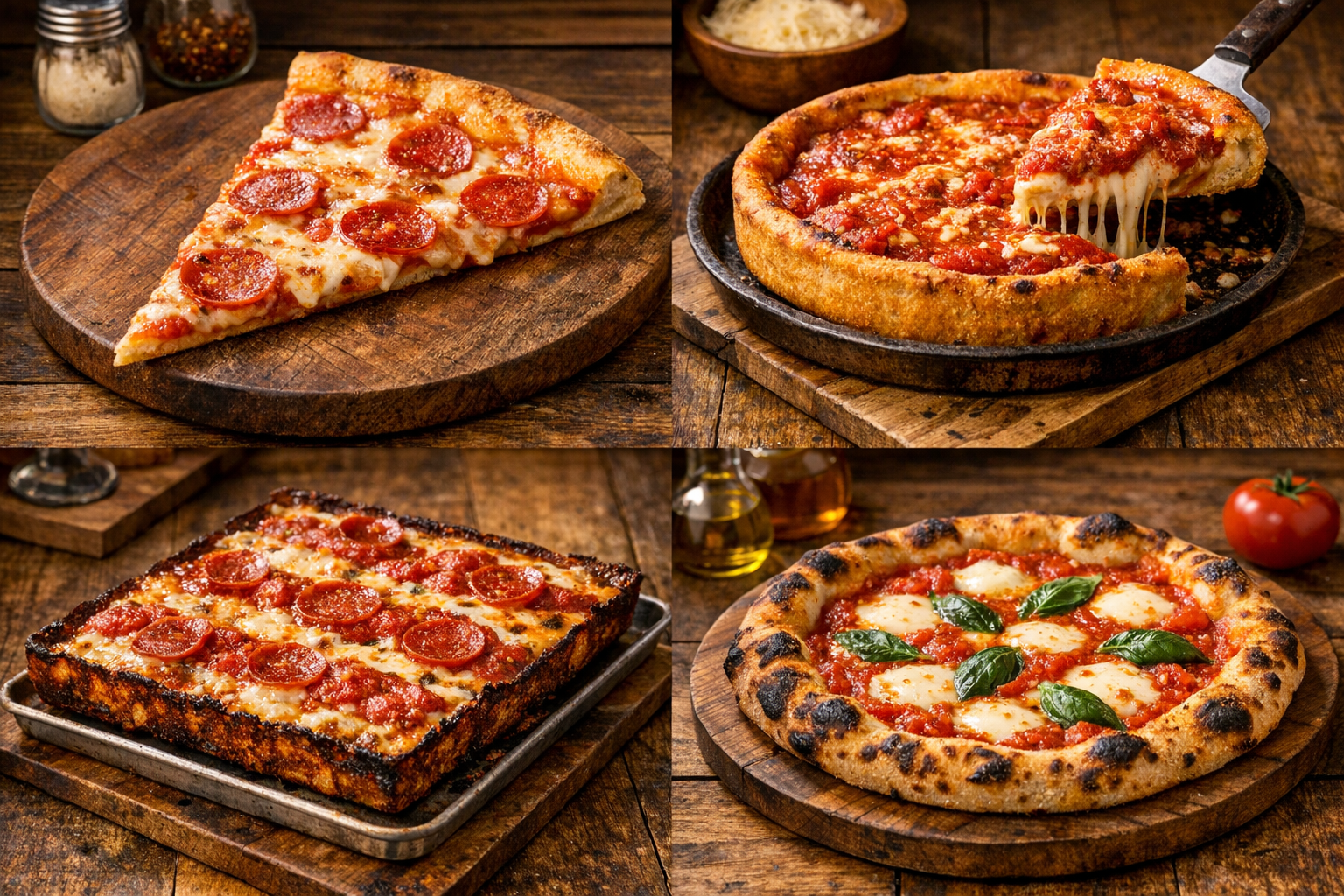
One of the most fascinating aspects of American pizza culture is its remarkable regional diversity. While pizza originated in Italy, American pizzerias have developed distinct styles that reflect local tastes, available ingredients, and cultural influences. These regional variations have become beloved traditions in their own right, each with passionate defenders and unique characteristics that set them apart.
Understanding these regional styles offers insight into how pizza has adapted and evolved across different American communities. From the thin, foldable slices of the Northeast to the hearty deep dishes of the Midwest, each style tells a story about the people and places that created it. This diversity is a testament to pizza's versatility and its ability to become deeply rooted in local food culture.
New York Style
Perhaps the most iconic American pizza style, New York pizza emerged from the city's early 20th-century Italian immigrant communities. Characterized by its large, wide, thin slices that can be folded lengthwise for easy eating, New York style pizza has become the standard by which many other styles are measured.
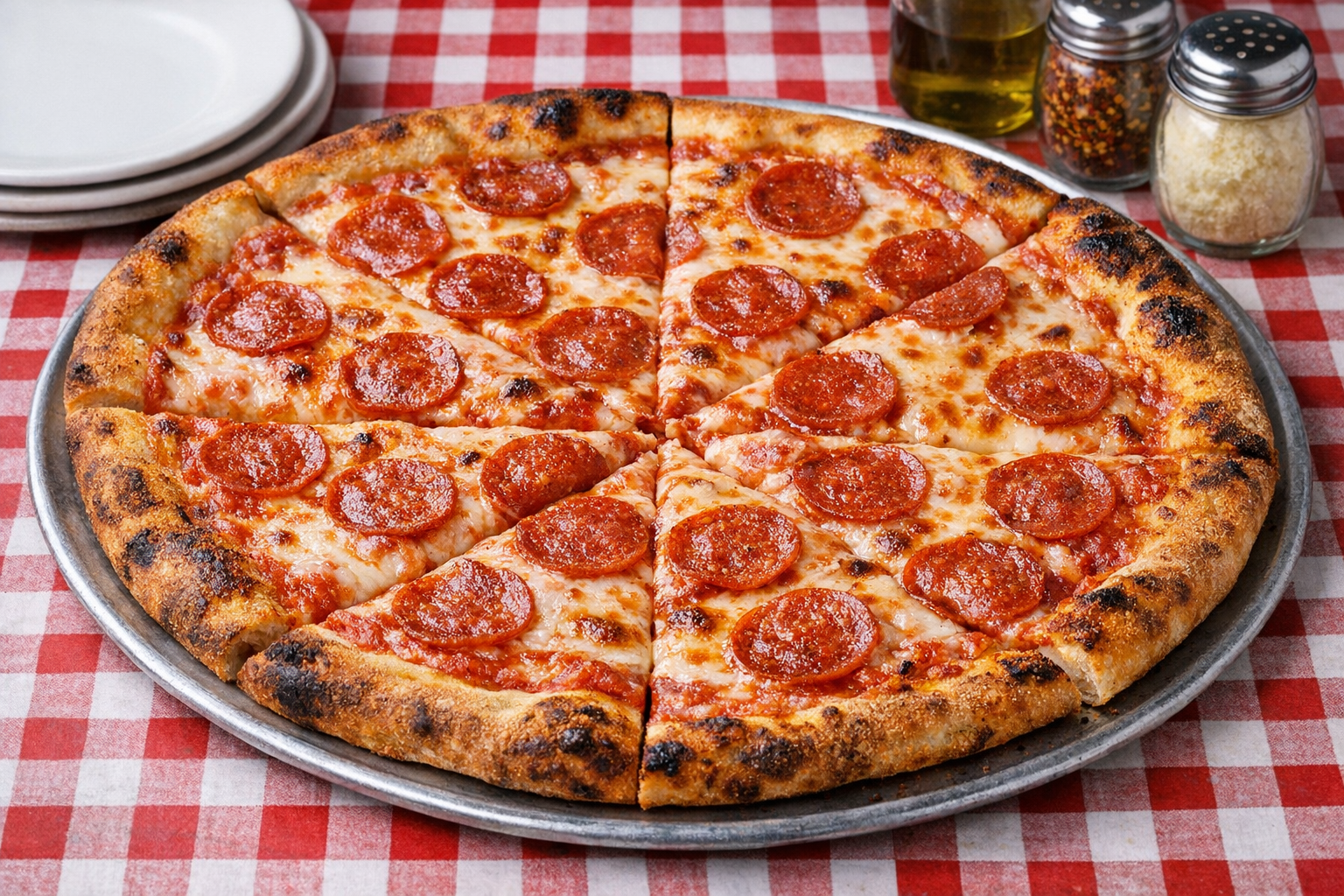
The crust is typically hand-tossed and moderately thin, with a crisp exterior and a tender, slightly chewy interior. The dough is made with high-gluten flour and often includes olive oil, which contributes to its characteristic texture. New York pizzas are typically sold by the slice or as whole pies, with the classic cheese pizza being the most popular option.
The sauce is usually simple and tomato-forward, often made from crushed tomatoes with minimal seasoning to let the quality of the ingredients shine through. Cheese is typically applied generously, with low-moisture mozzarella being the standard choice. The pizza is baked in gas deck ovens at high temperatures, creating a crust that's crisp enough to support the toppings but pliable enough to fold without breaking.
New York style pizza's portability and quick service made it perfect for the city's fast-paced lifestyle, and it has since spread across the country, becoming one of the most recognizable American pizza styles.
Chicago Deep Dish
In stark contrast to New York's thin slices, Chicago deep dish pizza represents a completely different approach to pizza. Developed in the 1940s, this style is more like a savory pie than traditional pizza, with a thick crust that rises up the sides of a deep pan to create a substantial vessel for layers of toppings.
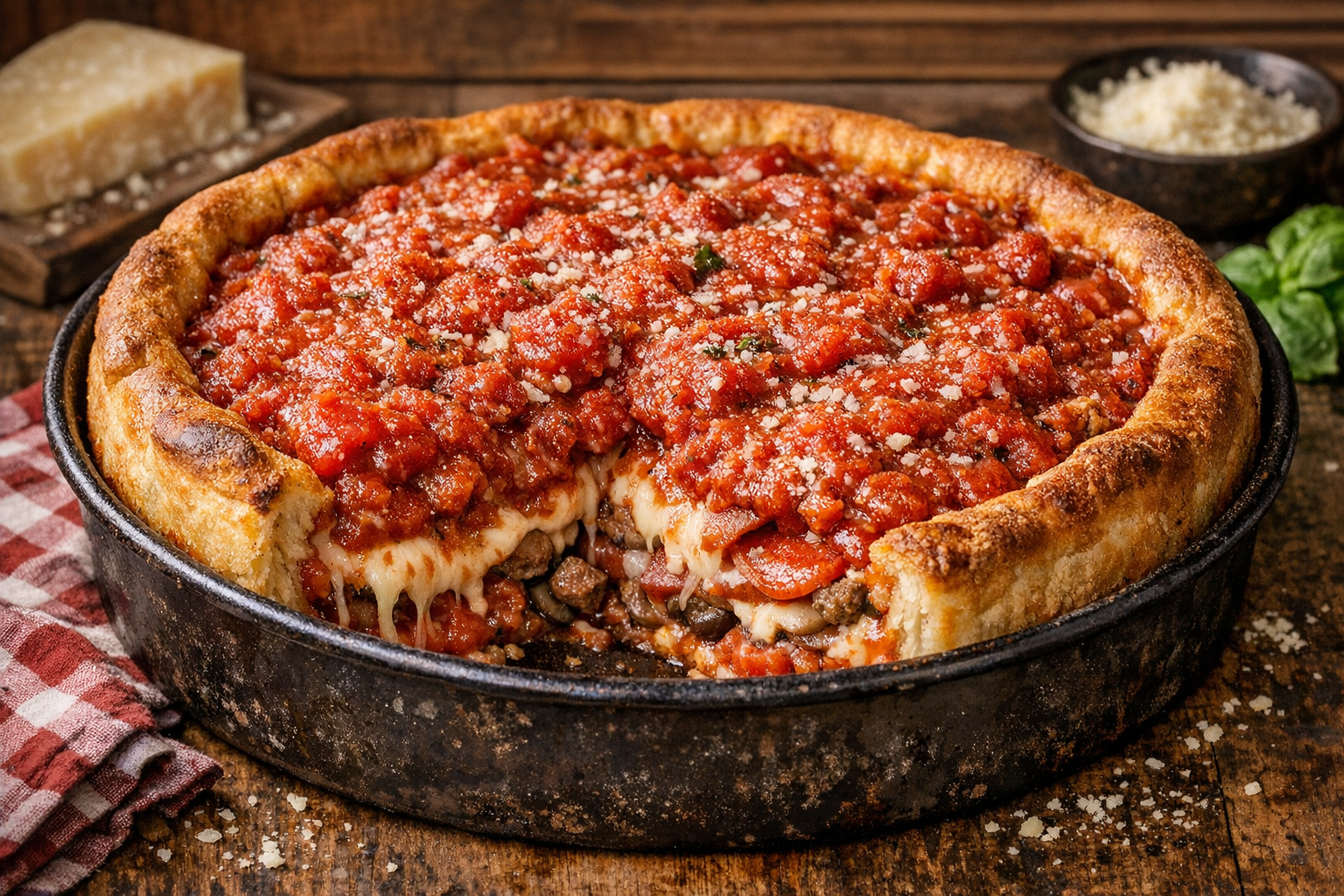
What makes Chicago deep dish unique is its construction method. Unlike other styles where sauce goes on top of the cheese, deep dish pizza is built in reverse order. The dough is pressed into a deep round pan, then topped with mozzarella cheese, followed by meat toppings, and finally covered with chunky tomato sauce. This arrangement prevents the cheese from burning during the long baking time and keeps the crust from becoming soggy.
The crust itself is substantial and buttery, more like a focaccia bread than traditional pizza dough. It's often made with cornmeal or oil, which gives it a distinctive texture and flavor. The pizza requires a longer baking time—typically 30-45 minutes—due to its thickness and the amount of ingredients.
Chicago deep dish is meant to be eaten with a knife and fork, and one slice is often a complete meal. Its hearty, satisfying nature has made it a beloved comfort food, particularly during Chicago's cold winters. The style has inspired variations, including stuffed pizza, which adds an additional layer of dough on top of the toppings.
Detroit Style
A relative newcomer to the regional pizza scene, Detroit style pizza has gained national attention in recent years for its unique characteristics and delicious results. Originating in the 1940s but only recently achieving widespread recognition, this style is defined by its rectangular shape and thick, airy crust with crispy, caramelized cheese edges.
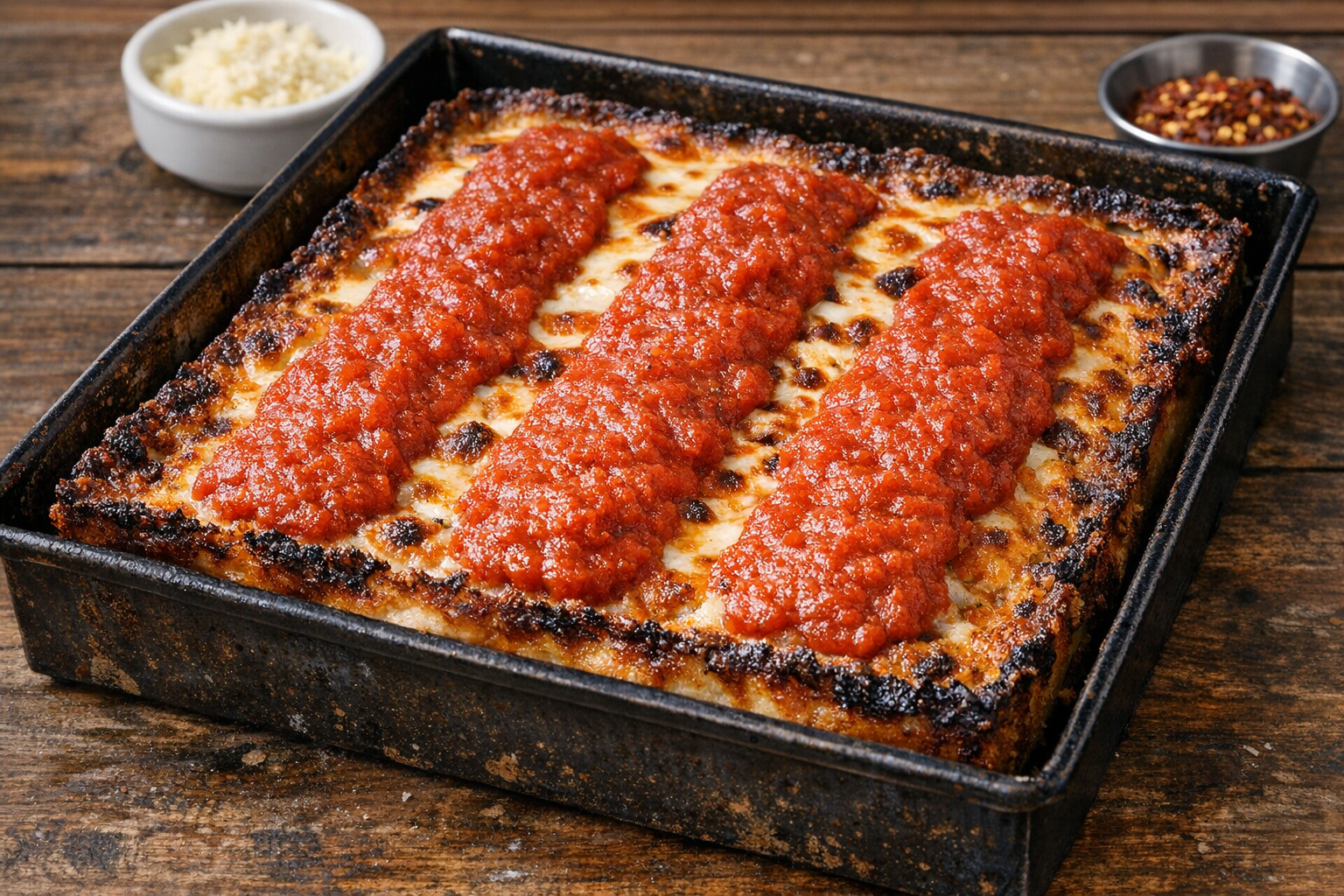
The dough is similar to focaccia, airy and light with a substantial crumb structure. It's pressed into well-oiled rectangular steel pans, originally adapted from automotive industrial pans used in Detroit's factories. The oil creates a crispy, fried bottom crust while the interior remains light and airy.
Toppings are applied all the way to the edges of the pan, and the cheese extends to the crust's perimeter, where it caramelizes against the hot metal, creating the style's signature crispy, cheesy edge. The sauce is typically applied in stripes on top of the cheese, rather than covering it completely, which helps maintain the crust's crispness.
Detroit style pizza is cut into square or rectangular pieces, reflecting its pan shape. The combination of crispy edges, airy interior, and generous toppings has made this style increasingly popular across the country, with many pizzerias adding it to their menus.
Neapolitan Style
While not originally American, Neapolitan pizza has become deeply embedded in American pizzeria culture, particularly as artisanal pizza movements have gained momentum. This style stays true to its Italian roots, adhering to strict traditions that emphasize simplicity and quality ingredients.
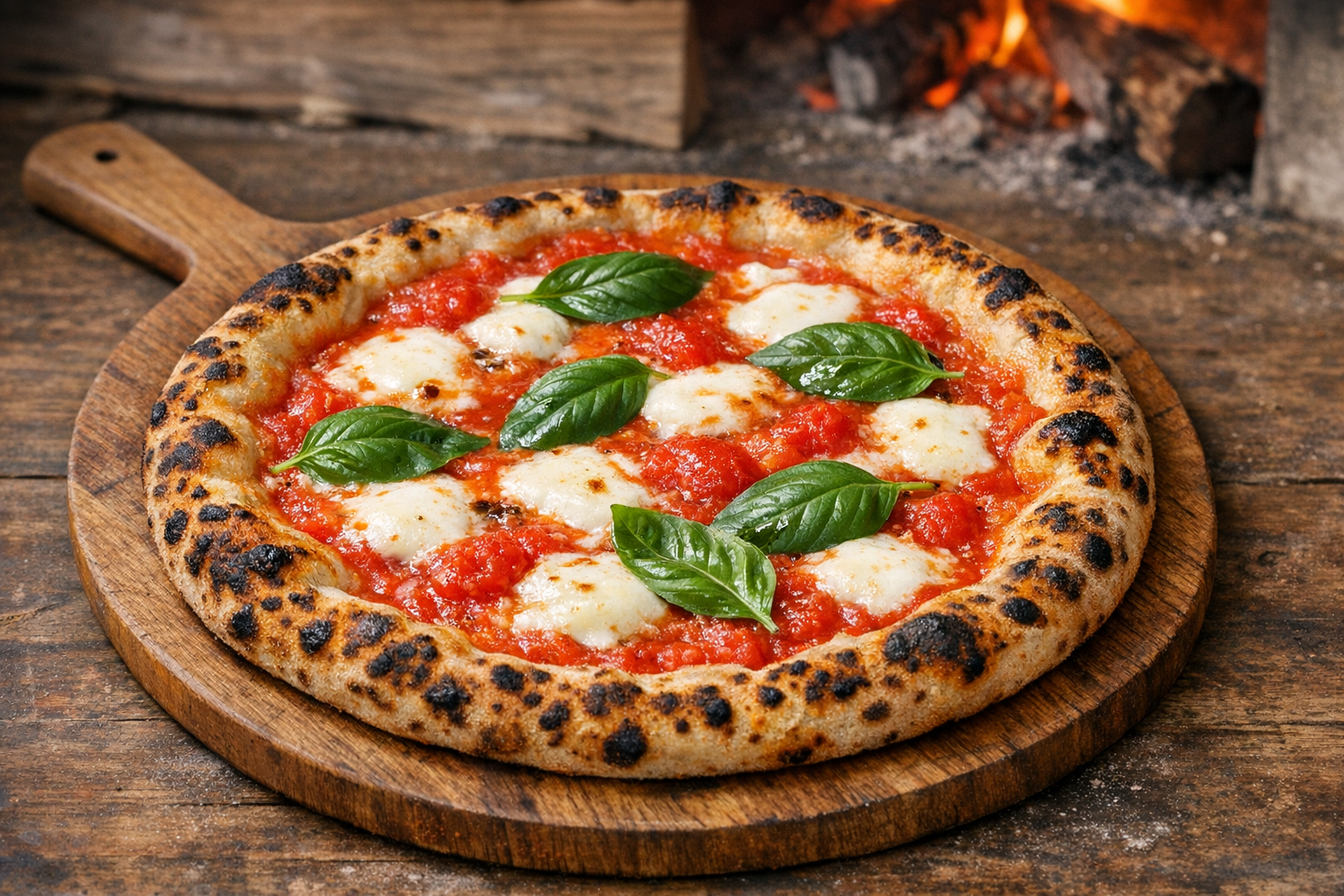
Neapolitan pizza is characterized by its soft, thin crust with a puffed, airy cornicione (crust rim). The dough is made with finely milled Italian flour, water, salt, and yeast, with no added oil or sugar. It's hand-stretched and baked at extremely high temperatures—often 800-900 degrees Fahrenheit—in wood-fired ovens for just 60-90 seconds.
The intense heat creates the style's signature leopard-spotting on the crust—small charred spots that add flavor and texture. The pizza is typically simple, with San Marzano tomatoes, fresh mozzarella, fresh basil, and extra virgin olive oil being the classic Margherita combination. Other traditional toppings are used sparingly to maintain balance.
Neapolitan pizza is meant to be eaten immediately, while still hot, and the soft, wet center is traditionally eaten with a knife and fork. American pizzerias specializing in this style often import ingredients from Italy and train extensively in traditional techniques to maintain authenticity.
The Evolution of Regional Styles
These regional styles represent just a fraction of America's diverse pizza landscape. Other notable styles include California pizza, known for its innovative, gourmet toppings; New Haven style, with its thin, coal-fired crust; and St. Louis style, with its cracker-thin crust and unique Provel cheese blend.
What's remarkable about these regional variations is how they've each developed distinct identities while remaining recognizably pizza. This diversity speaks to pizza's adaptability and its ability to reflect local culture and preferences. Each style has its passionate defenders who will argue passionately about its superiority, adding to the rich tapestry of American pizza culture.
As pizzerias continue to evolve and innovate, new styles and variations emerge. However, the respect for traditional regional styles remains strong, with many pizzerias dedicating themselves to preserving and perfecting these time-honored methods. This balance between tradition and innovation ensures that American pizza culture continues to thrive and expand.
For pizza enthusiasts, exploring these regional styles offers a delicious journey through America's culinary landscape. Each style represents a unique expression of the pizzeria tradition, shaped by history, geography, and the creativity of the pizzaiolos who keep these traditions alive. Whether you prefer the foldable slices of New York, the hearty depth of Chicago, the crispy edges of Detroit, or the authentic simplicity of Neapolitan, there's a regional style that speaks to every pizza lover's preferences.