The Essence of the American Pizzeria
A Cultural Exploration
What distinguishes a true pizzeria from other dining establishments? The answer lies not merely in the food served, but in the entire experience—the atmosphere, the traditions, the sense of community, and the commitment to culinary craftsmanship that has been refined over generations. A pizzeria is more than a restaurant; it is a cultural institution that embodies values of hospitality, tradition, and genuine connection.
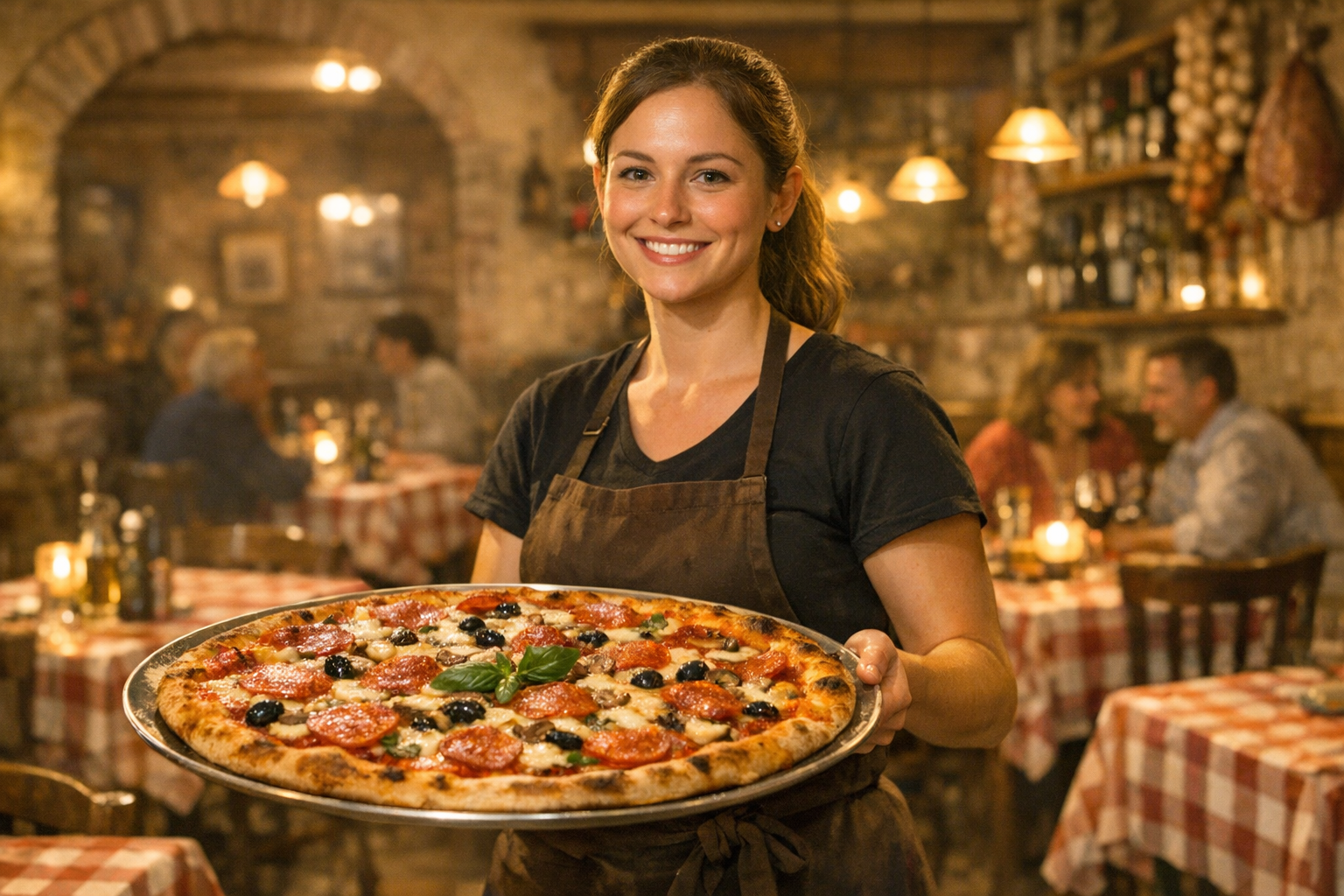
The personal touch of service is a hallmark of traditional pizzerias
The defining characteristics of a pizzeria encompass everything from the physical space to the human interactions that occur within it. These establishments create environments where people feel welcome, where time seems to slow down, and where the simple act of sharing a meal becomes a meaningful social experience. Understanding these elements helps us appreciate why pizzerias hold such a special place in American culture.
Dine-In Culture
The dine-in culture of traditional pizzerias represents a deliberate departure from the fast-paced, transactional nature of modern dining. When customers enter a pizzeria, they are invited to settle in, relax, and savor not just their food but the entire experience. The atmosphere is deliberately unhurried, encouraging conversation, connection, and the enjoyment of good company alongside good food.

The communal nature of pizzeria dining fosters genuine social connections
This culture manifests in various ways: the comfortable seating arrangements that encourage lingering, the background music that sets a relaxed tone, and the pacing of service that allows diners to enjoy their meal without feeling rushed. Unlike establishments that prioritize quick turnover, pizzerias often value the quality of the dining experience over the number of customers served per hour.
The physical environment plays a crucial role in cultivating this culture. Warm lighting, comfortable booths, and thoughtful decor create spaces where people feel at ease. Many pizzerias feature open kitchens that allow diners to observe the cooking process, adding to the sense of transparency and authenticity that characterizes these establishments.
Moreover, the dine-in culture of pizzerias often includes traditions that have developed over time—regular customers who have their favorite tables, families who celebrate milestones at the same establishment year after year, and the sense that each visit is part of an ongoing relationship rather than a one-time transaction.
Preparation Traditions
The preparation traditions of pizzerias represent a living connection to culinary heritage passed down through generations. These traditions encompass everything from the sourcing of ingredients to the specific techniques used in dough preparation, sauce making, and baking. Each step in the process reflects a commitment to quality and authenticity that sets pizzerias apart from other food service establishments.
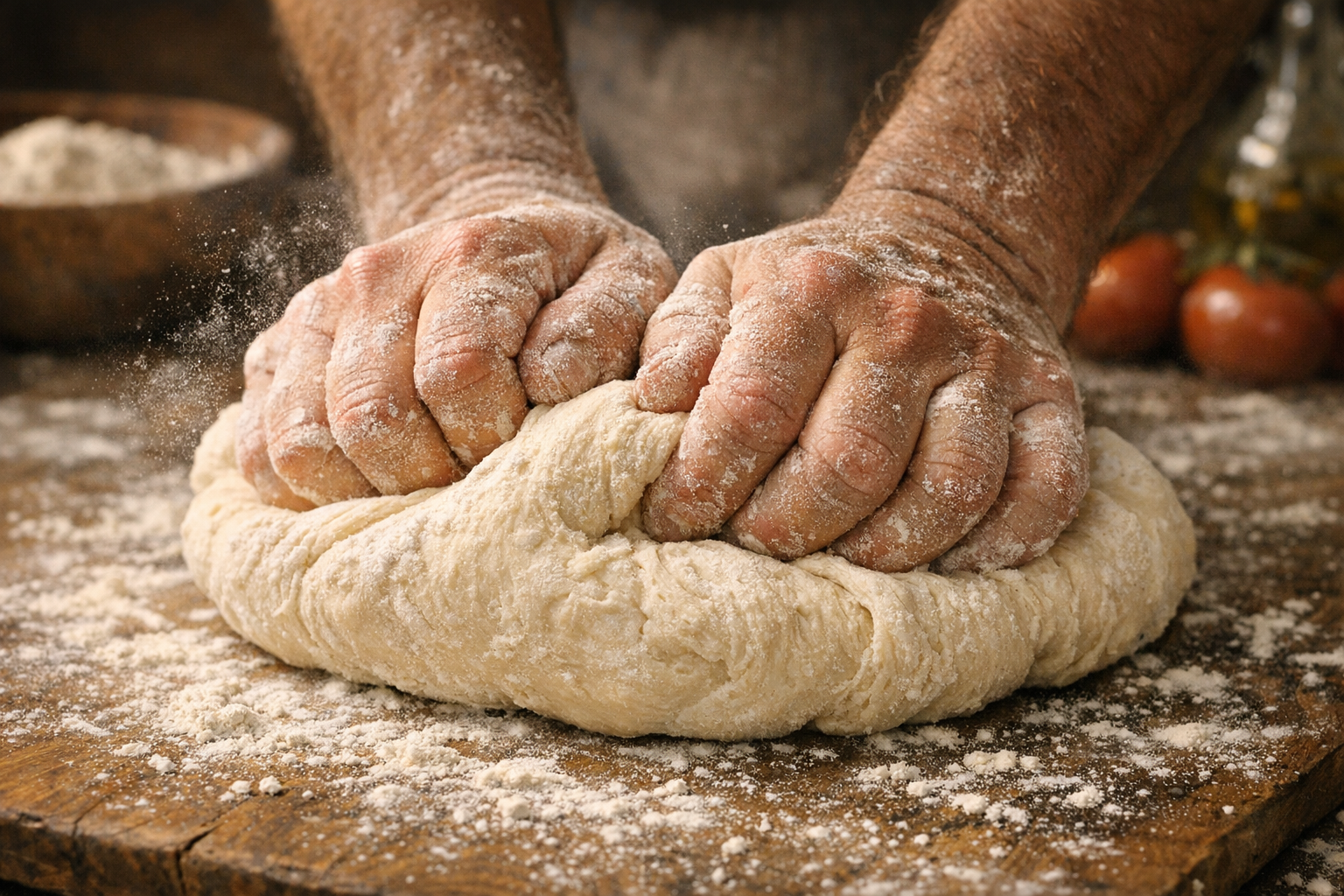
Hand-kneading dough remains a cherished tradition in authentic pizzerias
Dough preparation, in particular, often follows time-honored methods that have been refined over decades. Many pizzerias make their dough fresh daily, allowing it to rise slowly to develop flavor and texture. The process of stretching and shaping dough by hand requires skill and practice, and this craftsmanship is evident in the final product.
Sauce preparation is another area where traditions shine. Many pizzerias use family recipes that have been passed down through generations, often featuring specific combinations of tomatoes, herbs, and spices that create distinctive flavor profiles. The slow simmering of sauces allows flavors to meld and develop, resulting in depth and complexity that cannot be rushed.
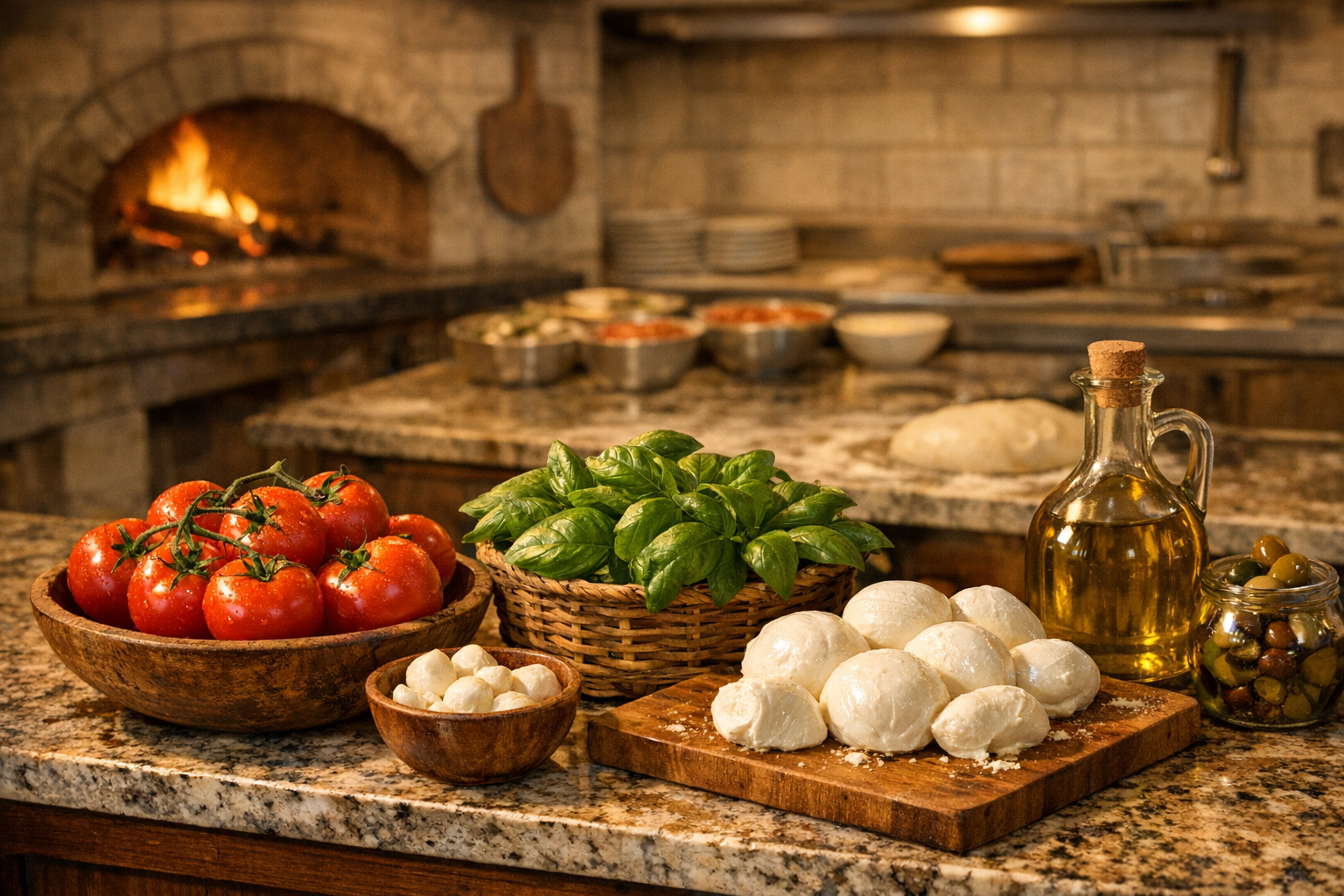
Fresh, quality ingredients are the foundation of traditional pizzeria cooking
The baking process itself often involves traditional equipment and techniques. Wood-fired brick ovens, which can reach extremely high temperatures, create the characteristic crispy crust and perfectly melted cheese that define great pizza. The skill of the pizza maker in managing oven temperature and timing is crucial to achieving consistent, high-quality results.
These preparation traditions are not merely about following recipes—they represent a philosophy of food that values quality over convenience, tradition over trends, and craftsmanship over efficiency. This commitment to traditional methods is what gives pizzeria food its distinctive character and enduring appeal.
Social Atmosphere
The social atmosphere of a pizzeria is perhaps its most defining characteristic. These establishments have long served as community gathering places where people from all walks of life come together to share meals, celebrate occasions, and build connections. The atmosphere is deliberately inclusive and welcoming, creating spaces where everyone feels comfortable and valued.
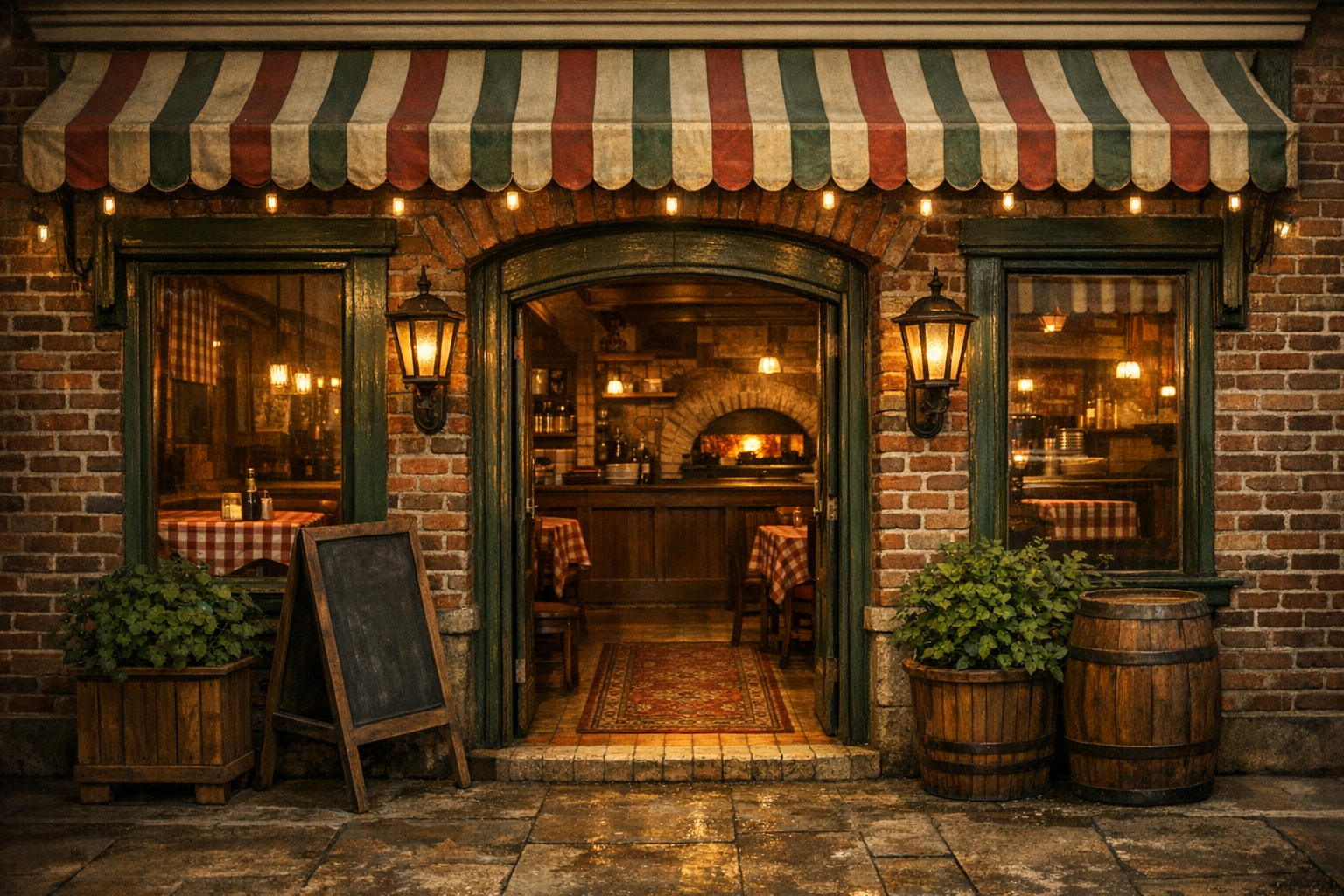
The welcoming entrance of a traditional pizzeria sets the tone for the social experience within
This social atmosphere manifests in various ways. The layout of many pizzerias encourages interaction—large tables that accommodate groups, open spaces that facilitate conversation, and a general design that promotes a sense of community rather than isolation. The noise level, often lively and energetic, contributes to the feeling that something special is happening.
The staff at traditional pizzerias play a crucial role in cultivating this atmosphere. Many are long-term employees who know regular customers by name and remember their preferences. This personal touch creates a sense of belonging and familiarity that keeps customers coming back. The interactions between staff and customers often extend beyond mere service to genuine human connection.
Pizzerias also serve as neutral ground where diverse groups can come together. Business meetings, family gatherings, first dates, and casual get-togethers all find a home in these establishments. The universal appeal of pizza, combined with the welcoming atmosphere, makes pizzerias uniquely positioned to serve as community hubs.
Furthermore, the social atmosphere of pizzerias often reflects the values of the communities they serve. In many neighborhoods, the local pizzeria is more than a restaurant—it is a community institution that supports local events, sponsors youth sports teams, and participates in neighborhood life. This deep connection to community is what truly defines the pizzeria experience.