Editorial Introduction
A Culinary Heritage Publication
The American pizzeria represents more than just a place to enjoy a slice of pizza—it embodies a rich cultural tradition that has woven itself into the fabric of communities across the United States. From the bustling streets of New York to the cozy neighborhoods of Chicago, pizzerias have served as gathering places where families celebrate milestones, friends reconnect after long separations, and strangers become neighbors over shared meals.
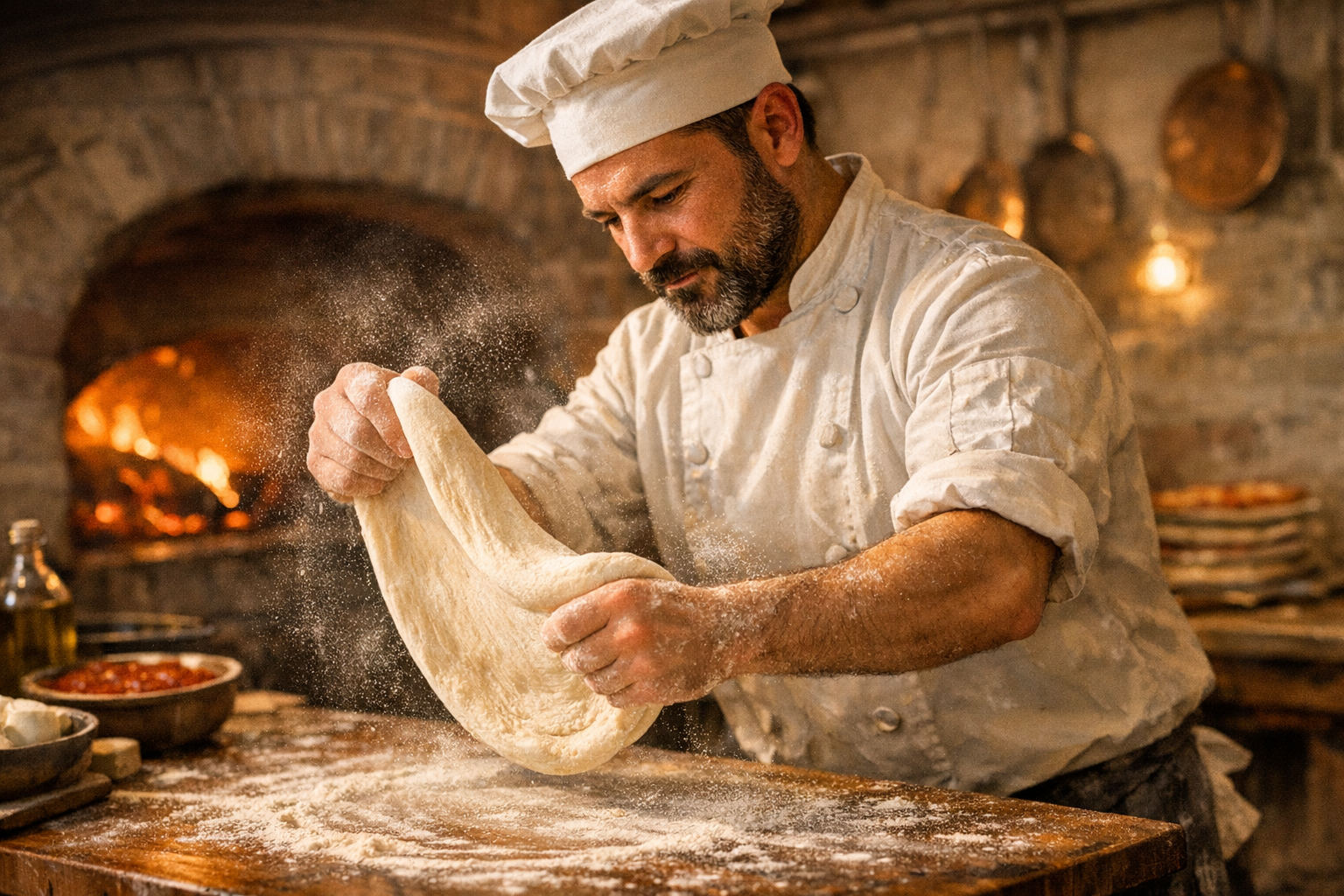
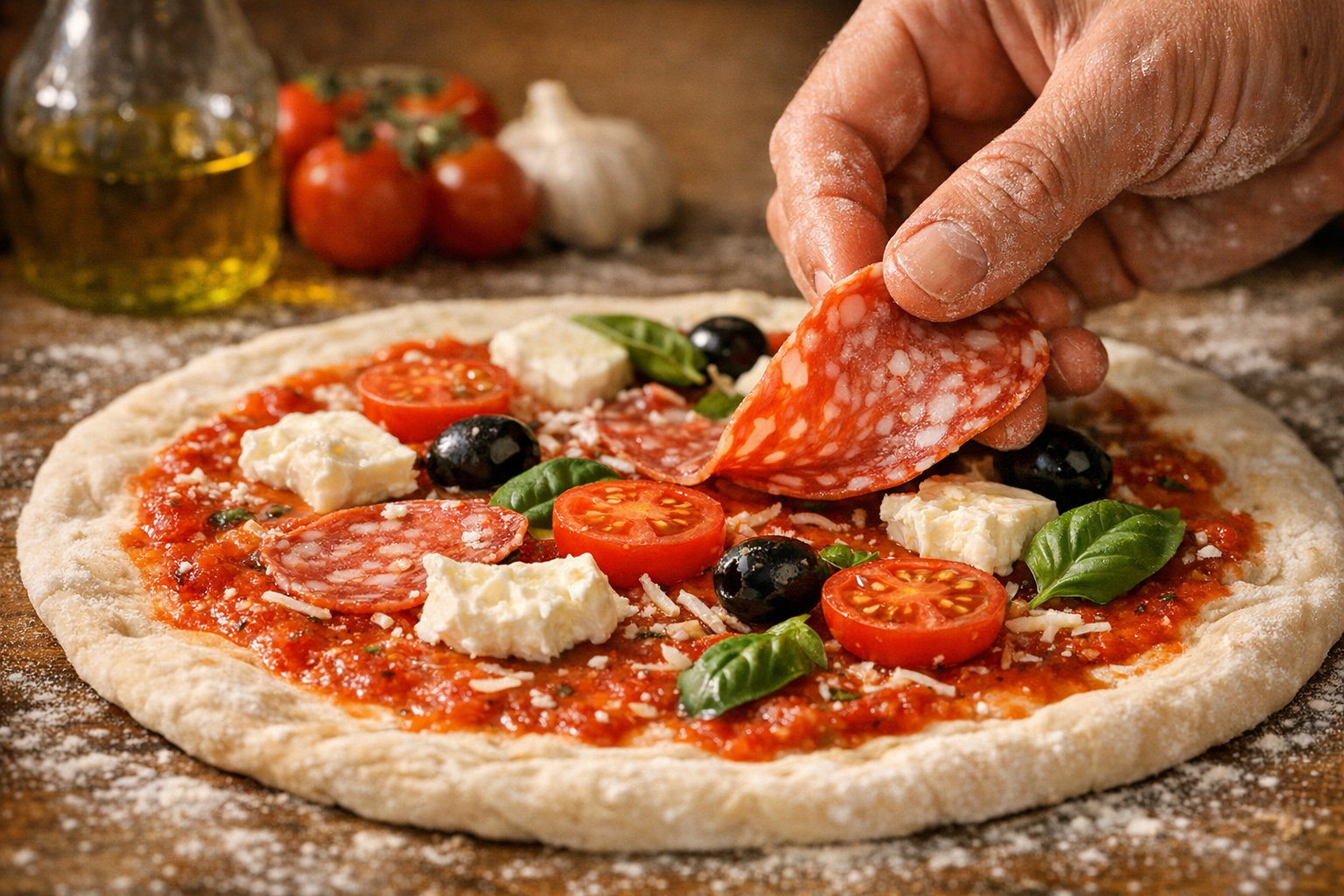
The art of hand-stretching dough remains a cornerstone of traditional pizzeria craftsmanship
This publication explores the multifaceted tradition of American pizzerias, examining their historical roots, the unique atmosphere they cultivate, and the culinary practices that have been passed down through generations. We delve into what makes these establishments special, from the distinctive aromas that greet customers at the door to the sense of belonging that permeates every corner of the dining room.
Through this exploration, we aim to celebrate the pizzeria not merely as a restaurant, but as a cultural institution that has shaped American dining habits and community life for over a century. The stories, traditions, and practices we uncover reveal why pizzerias continue to hold a cherished place in the hearts and stomachs of Americans everywhere.
History Overview
The story of American pizzerias begins in the late 19th and early 20th centuries, when Italian immigrants brought their culinary traditions to the shores of the United States. The first pizzerias emerged in immigrant neighborhoods, particularly in cities like New York, where they served as community hubs for newly arrived families seeking familiar flavors and a sense of home in their new country.
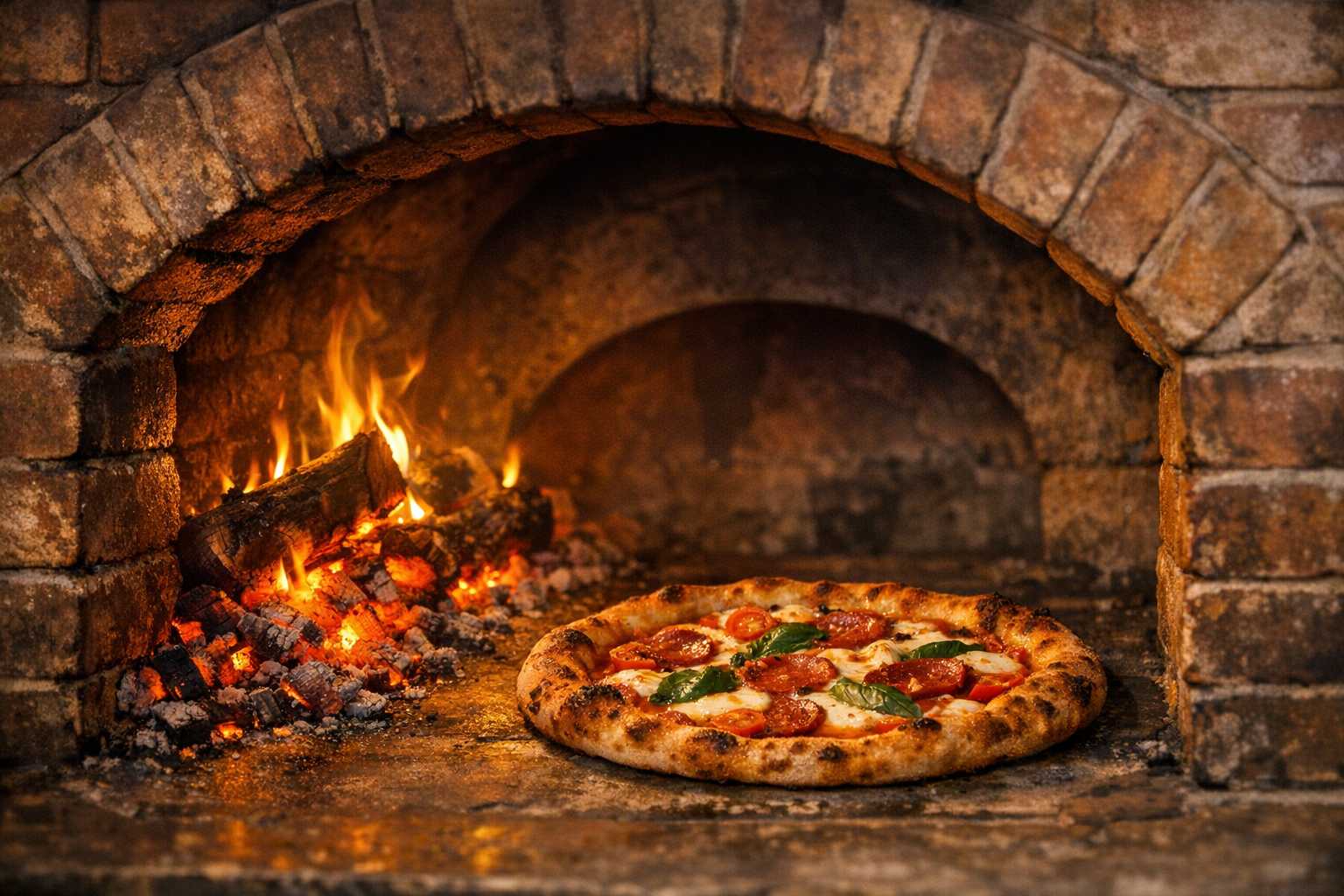
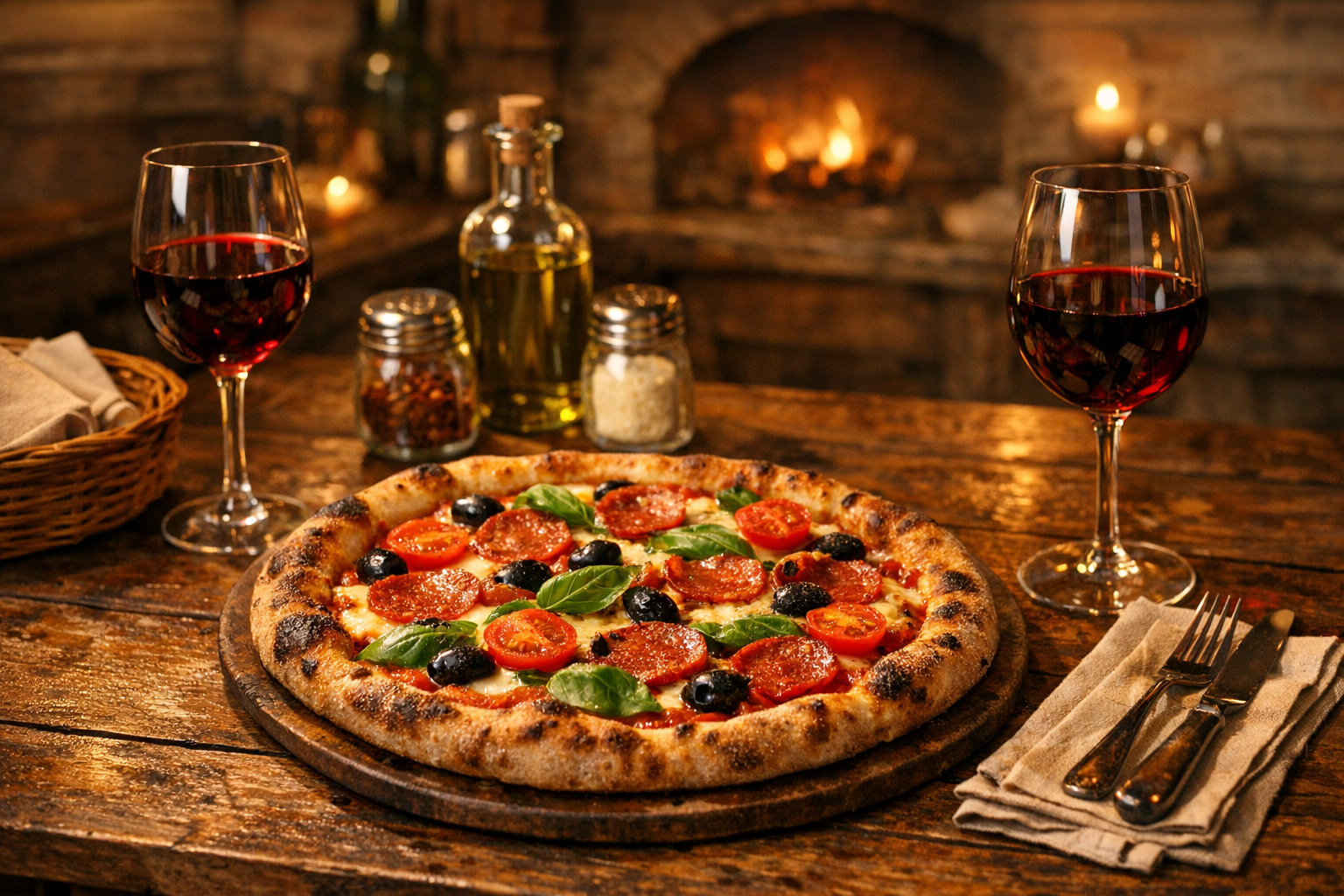
Wood-fired brick ovens have been the heart of traditional pizzerias for generations
These early establishments were modest affairs, often small storefronts where pizza was sold by the slice or as whole pies to take home. The concept of dining in at a pizzeria evolved gradually, as these neighborhood spots began to offer seating and transform into full-service restaurants. The post-World War II era saw a significant expansion of pizzeria culture, as returning soldiers who had experienced pizza in Europe helped popularize it across the country.
Throughout the decades, regional variations developed, each reflecting local tastes, ingredients, and cultural influences. Yet despite these differences, certain core elements remained constant: the commitment to quality ingredients, the importance of family ownership, and the creation of welcoming spaces where people could gather and connect over good food.
Cultural Highlights
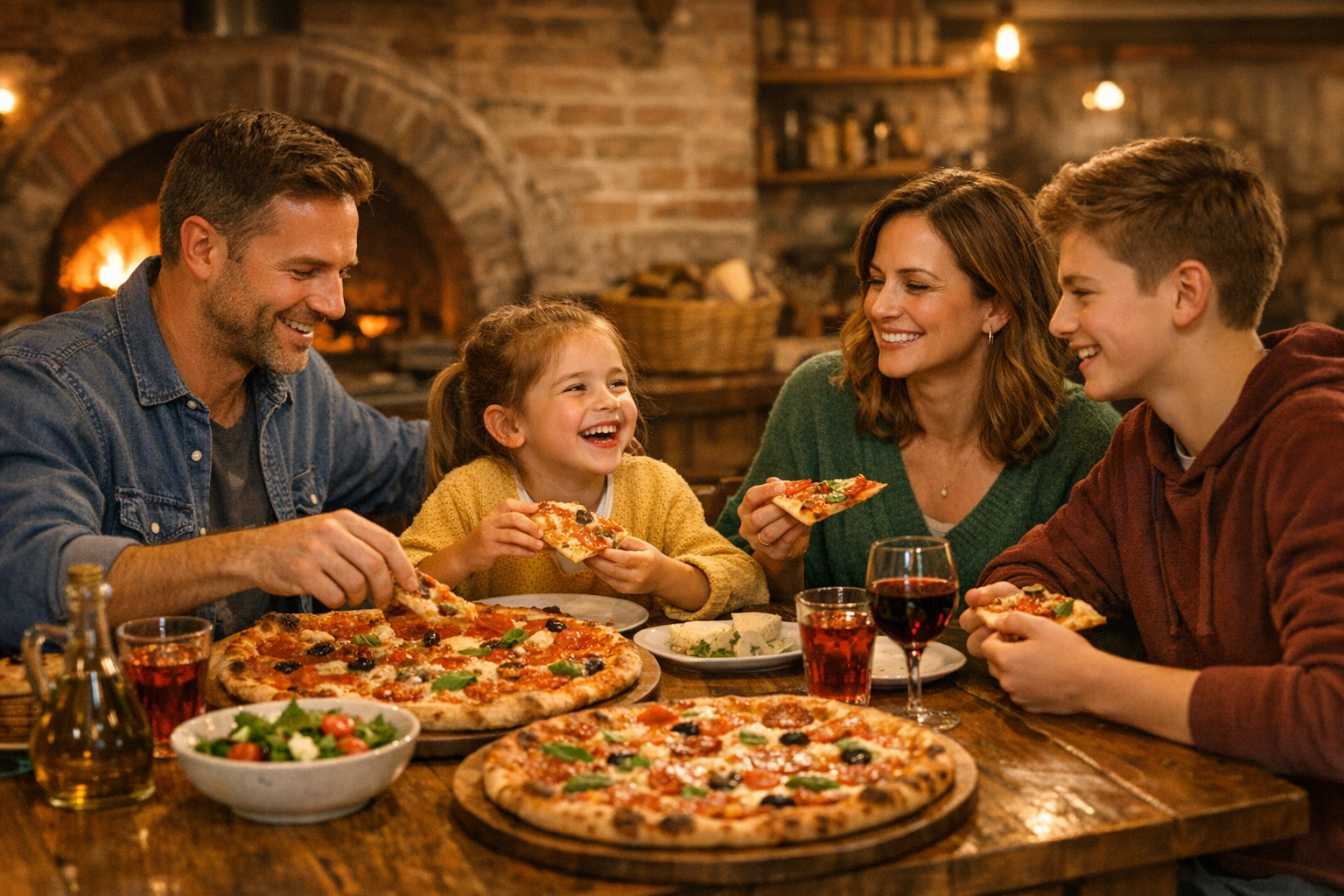
The cultural significance of American pizzerias extends far beyond the food itself. These establishments have become integral to the social fabric of their communities, serving as venues for everything from first dates to family reunions, from business lunches to post-game celebrations. The atmosphere of a traditional pizzeria—with its combination of casual comfort and genuine warmth—creates an environment where people feel at ease and connected.
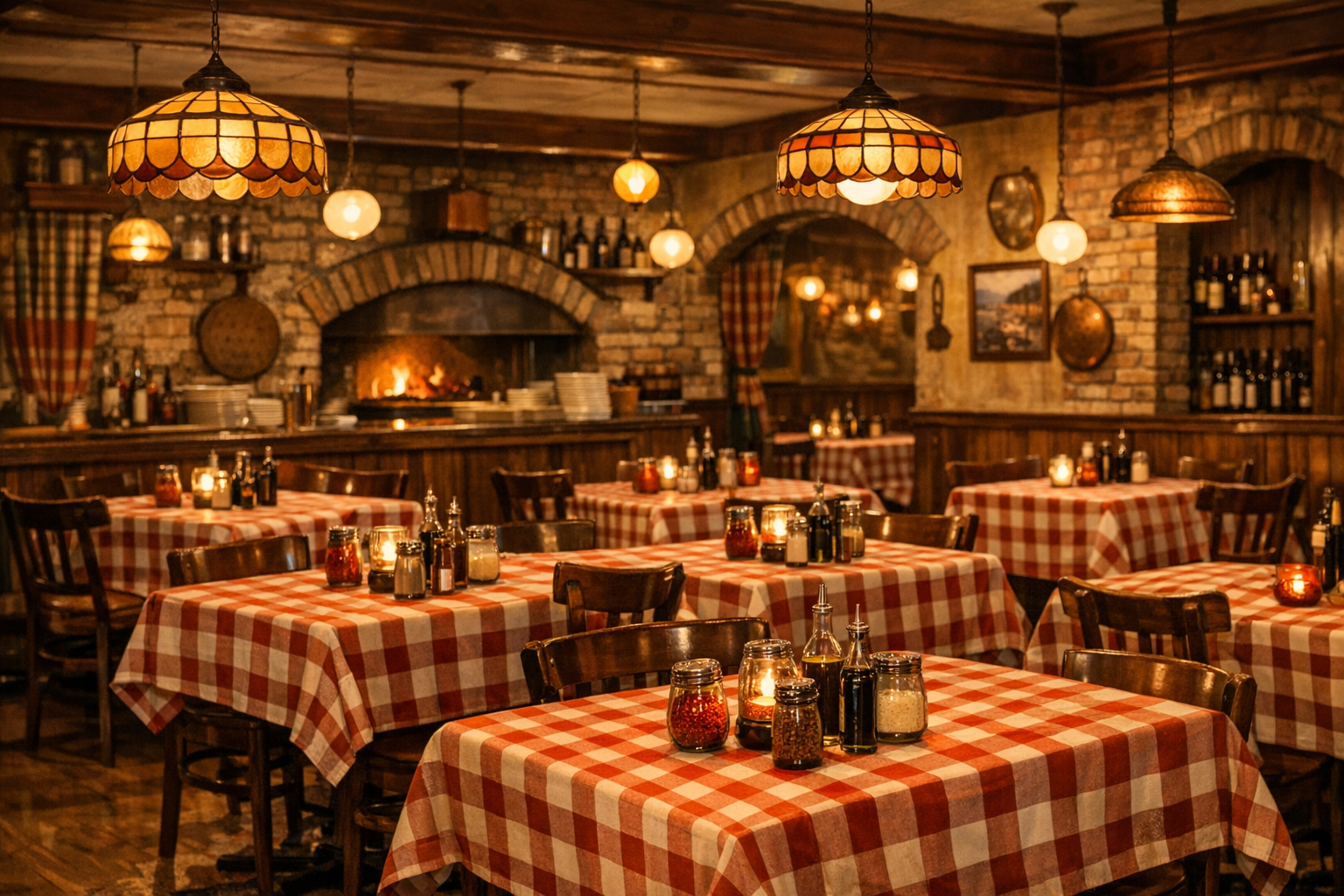
Classic pizzeria interiors create an inviting atmosphere that encourages conversation and connection
Pizzerias also play a crucial role in preserving cultural heritage, particularly in Italian-American communities where recipes and techniques have been passed down through generations. Many family-owned pizzerias operate on principles that prioritize quality over quantity, tradition over trends, and community connection over corporate expansion. This commitment to authenticity has helped maintain the distinctive character of American pizzerias even as the food landscape has evolved dramatically over the decades.
Furthermore, pizzerias have demonstrated remarkable adaptability, embracing new ingredients and techniques while staying true to their core values. This balance of tradition and innovation has ensured their continued relevance and popularity in an ever-changing culinary world.